Episode Transcript
[00:00:00] Speaker A: Foreign.
Welcome back to Spill the Tea HSV with Lauren and Bri.
This episode is proudly brought to you by the law firm Ryan and Rouse. If you or a loved one have been injured or need legal help for changing family circumstances, contact the personal injury and family law attorneys at Ryan and rouse today at 256-801-1000 or visit them online at www.alabamalaw.com. when your future is on the line, don't go at it alone.
[00:00:48] Speaker B: This episode is also brought to you by Bridge & Bloom, LLC. Bridge & Bloom Therapy Services is changing the way Madison county thinks about mental health. Co owners Kate and Ashley bring over 20 years of combined experience and a shared belief that healing happens through safety, compassion and connection. Their practice provides evidence based care for a wide range of needs, including trauma treatment with EMDR and brain spotting, support for children navigating high conflict situations, and counseling for couples working through challenges or learning to co parent.
Each client receives care tailored to their story in a space where they can feel heard, supported and empowered. To learn more, visit bridgeandbloomllc.com or call 256-469-1877. Again, that's bridgeandbloomllc.Com or call 256-469-18 77.
[00:01:43] Speaker A: Hey, Bri.
[00:01:45] Speaker C: Hey, Lauren.
[00:01:46] Speaker A: All right, welcome back to Spill the Tea. And today we have Emily, certified financial planner with us and she's going to tell us a little bit about money and how to better protect ourselves, how to prepare, how to deal with debt and all those things. So Emily, tell us a little bit about you and what you do.
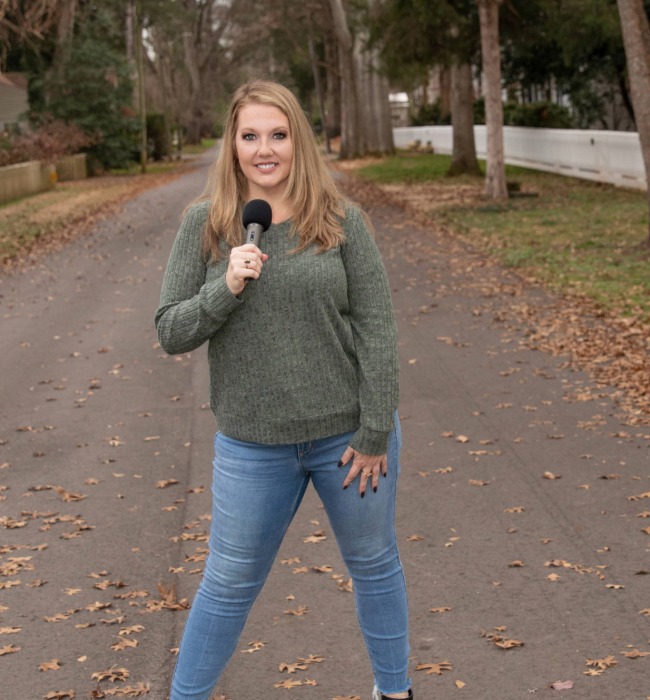
[00:02:07] Speaker C: Awesome. Well, thanks for having me. I am a certified financial planner. I run my own financial coaching, financial advisory practice and I coach anything from how are we getting out of debt? How do I build a budget to I have a 401k.
I'm retiring. So anything in between there.
I can work with people on an hourly basis, a project basis, or ongoing coaching and investment solutions. And I'm also an author. I wrote a Bible study that goes through seven key aspects of how to build your financial plan.
[00:02:43] Speaker A: Yep. And as somebody who has her book, I can say that it's, it's hard to go through because especially when you're somebody like me who's made horrible financial decisions and let your ex spend all your money.
It sucks to fill all that out. But it, but it is helpful. It makes you much more aware. And I think part of it with financial stuff is that when you're in debt specifically, you want to sink your head in the sand. Because you hate. You don't want to admit it because it's terrifying to see how bad it actually is and then come to, like, terms with, like, what sacrifices or decisions am I gonna have to make in changes in life? So talk to us a bit about some beginning steps that people can go through. If they're in my situation where they got in a lot of debt because of divorce, whether it was they got debt because they got divorced and had the attorney, like, you know, attorney fees and all that, it's not. It's not cheap to get a divorce depending on how long you gotta fight. So some people have to put that stuff on credit cards and, like, pay attorneys that way. Or their spouse used them for finances and spent all their money and then left, and now they're stuck picking up the pieces. Or they have kids and the spouse left and they're not paying child support. So, like, what. What are some things that women can maybe do to try to, like, get themselves either prepared or help themselves if they've been in a bad situation?
[00:04:03] Speaker C: Yeah, well, there's a. There's a lot to unpack with that question.
[00:04:06] Speaker A: Yeah, there is. That was like 10 questions in one. My bad.
[00:04:10] Speaker C: But it's all good. I mean, the very first thing that you have to decide is you have to acknowledge what the goal is going to be. Is it, I have a lot of debt and I need to tackle it. Let's start there, and then we start strategizing towards that goal. But the first thing is we have to start looking at the numbers. As much as we want to bury our heads in the sand, that's not going to do us any. Any good.
So the first thing for paying off debt, for example, would be to look at all of it. Get all. It's gonna. It's gonna hurt, but you gotta do it. Get all of the numbers together, get all of the totals. Find out what your APR is on credit cards, student loans, all of it. Just look at all of it. Put it all together.
And then the easiest way to do it is going to be the snowball method, and that is paying off the smaller debts first and then using that as momentum to continue to pay off towards the larger debt.
There's a lot of other ways that you can try to tackle it.
You can try to get debt consolidation loans and stuff like that. But the meat of it is you have to acknowledge what the problem is and start tackling it by really looking at what's there.
[00:05:21] Speaker A: Yeah. And isn't it. It's hard to. It can be dangerous with consolidation loans because a lot of people get them and then they don't close their cards, and then they end up right back in the same cycle. I know that I've been guilty of this in my life.
A lot of people have. So how do you break that cycle? Especially in a world where we live in, where, I mean, it's not cheap to live anyway.
And then on top of that, like, living single or, you know, living and like the within your means part of it is, like, hard too, because you want to be able to do things and go out and have fun and, like, do all the things that your friends are doing. And it seems like most people are just, like, living in debt anyway. So then it's. Then you get in that headspace of, like, well, it's just dead. Everybody has it.
So how do you break through that.
[00:06:08] Speaker C: To really strive to live abnormally as possible? Just because everybody else is doing it doesn't mean that it's the right thing to do.
And so when you're already swamped, why don't we have honest conversations with our friends about where we are and maybe they're in debt, too, and now we're all going out together and we're all spending money when we could have just all gotten together and looked at our debt together and started building accountability. And there's other options. Right? So it's all about the choices that you're making and how to have those honest conversations with friends and getting people into the right headspace. But it starts with you and choosing to live abnormally so that you can have a better life for yourself and not keep continuing the problem.
[00:06:56] Speaker D: So when you say, like, live abnormally, are we talking, like, for me personally, I mean, it's easier when you're single to just eat out, but you make your food at home, you have leftovers. Is that, like, the direction that you're going with that?
[00:07:11] Speaker C: Well, it depends on what it is. I. I would. Because you can bulk. You can bulk batch your. Your. You know, I do that all the time because my husband doesn't like the things that I cook, and I don't like what he cooks. We both cook separately, and then we freeze meals or we have leftovers for the week. And as long as you've paced that out, that ends up being cheaper over the long run, right?
[00:07:31] Speaker D: Absolutely.
[00:07:33] Speaker A: Yeah. And that's hard for me too, because I, as someone who doesn't love leftovers, it's hard to like, and I hate cooking. So it's both. It's twofold for me, Like, I don't like either one of those things, so I would almost rather just grab a meal somewhere. But like you said, I know at Food City, they do meals you throw in the oven that are meant for one person.
[00:07:54] Speaker C: Yeah.
[00:07:55] Speaker A: But it's enough food that, honestly, it's two meals for me anyway.
So it may cost $8 to get that, but then I'm getting two meals out of it, as opposed to going to Chick Fil A, where I'm spending $8 at lunch and then turning around and spending $8 more dollars at dinner. So that's definitely a mindset that I'm having to, like, you know, adjust or even, like, today. I knew we were gonna have a very busy day today because we had several interviews today, and I was exhausted and tired, and I knew if I went to Bree's house, I would eat out and we would go to lunch like we usually do. And so we ended up eating out, whereas, like, we decided, all right, well, we're just gonna do this virtually today.
And both of us ate what was in our kitchens because we honestly didn't even have time to go out.
[00:08:35] Speaker C: Yeah.
[00:08:36] Speaker A: So, you know, making those smaller sacrifices. And, like, I have two book clubs to.
But we're actually where we're having the last book club that I were at the place I'd eat dinner. I actually don't even really like their food, but typically I would have just been like, well, I'll just eat it anyway. But now I'm like, why? I don't even really like their food, so I might as well just eat at home. And a lot of that's because, like, of you from. Because I'm taking a class with you currently, and that has been helpful into, like, just trying to be like, okay, I don't.
You can rationalize anything, and I'm really good at rationalizing things.
[00:09:11] Speaker C: Oh, yeah. You can justify any purchase if you really wanted to.
[00:09:15] Speaker A: Yeah. But then, like, in situ, in certain situations, like, you have to go into debt. Right. For instance, women. Because some people are going to say, okay, well, I can't help my debt. And that's kind of what happened with me. I mean, sure, I made bad choices, but at the same time, like, my ex husband didn't make the money I made. I was paying all the bills by myself. Then he had two kids that I knew about, and I was the one buying birthday presents and buying Christmas presents and all that stuff. And I didn't want them to feel like they weren't getting anything from us. So then I'M spending way more money than I probably should have and going into debt for things with them. But then some people have to go into debt to get divorced.
So, like, what do. What do those people at that point, is it just recognizing the debt and then working on climbing out? Like, getting out of debt is hard, especially if you're not getting a higher income. So what do we do about that?
[00:10:02] Speaker C: Well, if you're in a toxic situation, you got to do what you got to do to get out, first of all. So there's no. There's no shame in doing what you got to do to get out of that situation, as long as you understand that you're taking on that challenge on the other side and what's. What's better for you. If getting into debt to save yourself from a lifetime of unhappiness and anything else that can go with, you know, a bad marriage, then go into the debt to get out, but then get out. There's different strategies that you can make to get out, and that's okay. And there's a lot of guilt and shame that goes with debt.
But that's not how we're called to live. You know, we want to live more free lives. And so in order to do that, it's really just the math of getting out. And you can always take on extra side jobs or gigs or. I mean, gosh, I.
I went into probably six or eight thousand dollars of credit card debt when I first moved out own, and that was just to live. And I worked three jobs trying to piece it together and get myself out. So I. And I knew better. Right? So it's all about the education, getting some financial literacy under your belt, and learning how to dig yourself out of it. But I wouldn't let debt stop me from getting out of a situation.
[00:11:24] Speaker A: I think that will help with some, like, reaffirming.
Like, it's hard for women because some women still stay for money. Do you have any tips on how women can save money secretly? Or, like, are there, like, other than, like, just storing cash somewhere, like, should. Like, is it a good idea for all women to have a savings account for. To say where they have a situation where they can get out, like, have some finances to be able to help themselves get out and like, a safety net, if you will.
[00:11:57] Speaker C: I mean, if as.
As in they're trying to get out and they're preparing to get out, well, that.
[00:12:03] Speaker A: Or just even, like, I have a friend who's happily married and they have been fine, like, no issues at all. But she was Always taught by her grandma that a woman should always have some cash to be able to flee in case of an emergency and in case something happens. So she had a secret stash that he didn't know about, and he actually, he found it because she had actual cash and he found it. He's like, what the hell is this? Money is like $2,000. And she was like, that's my emergency money if you decide to just suddenly abuse me. And he was just like, what? And so, sadly, as women, we have to think about these things because things do happen more often than not, we are the ones being abused than the man.
So, you know, is it a good idea? I guess. I guess it is a good idea for any woman to just have a savings in general, which. What is that life like? I wouldn't know.
[00:12:52] Speaker D: Okay.
[00:12:53] Speaker A: Savings.
That's why I have credit cards. My credit cards are my savings account. So, like, what is. Is that like an option for women?
[00:13:03] Speaker C: I mean, it. It's always an option. I think it really depends on the situation, though. I mean, if you're in a marriage that you are a equal partner and you are doing everything together, then you wouldn't necessarily, quote, unquote, need it.
I encounter couples that one person spends a lot and the other person is the saver.
And sometimes it's helpful if they both have separate bank accounts for where their income comes in so that the spender doesn't see, quote, unquote, how much money they have in their savings so they don't go out and spend it. So it really just depends on the money habits that you've built up and your partner.
But if you can safely have a savings account or you are planning to exit at some point, I don't see any harm in having another account or a cash pile somewhere within reasonable limits. I would not just mindlessly accumulate money in a jar somewhere and not do anything with it.
[00:14:05] Speaker A: You mean the whole, like, thing where you bury your cash in your backyard?
[00:14:09] Speaker C: No, no, no.
The investing part of me is like crying.
[00:14:17] Speaker A: Right. So you're like, invest. So that's another thing. A lot of times you are a female in a field that tend, at least in the past, was very male driven.
[00:14:27] Speaker C: Oh, it still is. Yes.
[00:14:28] Speaker A: Right. So I personally, like, I don't, I don't know about investing. It's something that, like, I feel like I should definitely know. And it's something that, like, I feel like we as women aren't taught, like, as often as, like, men tend to be.
So that is something that you do advise if you have the funds to learn about investing and actually, like, start investing for your future.
[00:14:53] Speaker D: And I know I see a lot of advertisements about, like, oh, download this app for investments and things of that nature. Are any of those legitimate? Because I see a ton of them. Like, I'm scrolling TikTok or Facebook, and it's like, in. Invest your money here, it's like, are you even real? Like, does it work? Like, what are those?
[00:15:14] Speaker C: So I would never click on a random link that pops up on a TikTok, just as a rule.
[00:15:20] Speaker A: Yeah.
[00:15:20] Speaker C: Right.
So it depends. I would always check and make sure that it's a firm that has the spic, which is the investor equivalent to the fdic, where they are insured.
Gotcha. If something happens, so always check that.
But places like, you know, Charles Schwab or Fidelity or. Well, no, TD Ameritrade isn't a thing anymore. But there are places. Or call me. I can set you up an account. We're not. We're not gonna click on random TikTok.
[00:15:52] Speaker A: Yeah.
[00:15:54] Speaker D: Like, other women have seen them before, and I'm thinking, have they clicked on them? Like, you know.
[00:15:58] Speaker A: Well, we're like, isn't it Robin Hood? That's one of those apps where it's like, you can, like, you know.
[00:16:03] Speaker C: Yeah.
[00:16:04] Speaker A: Invest into the stock market and stuff. And, like, I thought the same thing. I was like, wait, but if it's this easy, wouldn't everybody do it?
[00:16:11] Speaker D: Exactly. Like, they make it sound so easy. Invest, you know, however much here, and you'll get your return on your money. And it's like, I don't know.
[00:16:21] Speaker A: And it's funny you bring that up, Fidelity, because I used to work at Fidelity Investments, so you would think I would know more, but I don't.
I was in security, Okay. I wasn't on the finance side. I was in the security side. I was doing investigations. We're failing, Emily. Help us.
[00:16:35] Speaker C: Yeah, well, you know me now, and we're gonna get on the right track.
Robin Hood. As far as I know, it's a reasonable place to start.
But it would open an account the same way that you would at a Charlotte Schwab or something like that, where you do have to pick the investments you just by. And I encounter this all of the time. I have a Roth ira.
Is it invested, though? Oh, I don't know. I just put money into it. Okay, well, that's not technically invested, then. That's not growing. That's just another pot where you're putting stuff and not doing anything with it.
So there's two sides to that, too.
[00:17:12] Speaker A: Well, and it's crazy because a lot of companies actually, I feel like, don't tell you if your stuff's like that. You need to go in and click, invest it. Like, it's just they take out of your bank account, you're like, oh, yeah, I'll put 7%. And they're like, okay, we'll match it. But then. So you're like, okay, cool. But then it's not actually in the stock market, so it's not growing.
[00:17:31] Speaker C: Yeah.
[00:17:31] Speaker A: And you're like, oh. And then what about people that are scared of the stock market?
There's a lot of people are scared. And I mean, we had the 2008 crash, right. And I remember when I started working at actually affidavit in 2011, one of the guys that was there, I was like, why aren't you retired? And he was like, because I lost almost my entire retirement in the crash in 2008. And so what do you say to people who are like, well, I don't trust the stock market. I don't want to put my money in the stock market?
[00:17:57] Speaker C: Well, there's a couple of other avenues to invest as well. But if we're talking specifically in the stock market, before there was 2008, there was 2001. Before there was 2001, there was one in the early 90s, there was one in 1987. There is always a business cycle and an economic cycle where there are rises and falls there. That's what makes the money grow.
So don't be afraid of losing it when it's something that you're not supposed to look at until retirement anyways.
So those are for my young people. For my older people, there are also other investment opportunities. So there's crashes in specific market sectors. And I'm trying not to be too technical. Right. But you can invest in Target, and that would be a different model with the equity sign than a bond or security, which would be more a quote unquote, safer.
So you have a lower return potential than you would on something that's more on the equity side. So a business, you know, Target, Amazon, that kind of a stuff, those rise and fall a lot quicker than your bond market would be. But all in all, there's a lot of different options. And I wouldn't let one event when it's a cyclical thing to prevent the potential for growth.
[00:19:25] Speaker A: Right. And I do think it's interesting because you have a different perspective than I think a lot of people do when it comes to Finances. Because you also focus your finances on Christianity.
[00:19:35] Speaker C: Yes.
[00:19:36] Speaker A: And the Bible and what the Bible says about money and everything, which personally I didn't even realize how much the Bible talked about finances until I started taking your course. So I think that's interesting too is like that's out there for people if there is. Especially if you want to focus on a Christian based process and like thought and maybe get some relief from knowing that God like sees you and is there and is in them the money like aspects of it. And we'll take care of you.
Which is hard. Right. Because you're like, yeah, but God's not actually here making this money. He's not actually the one doing the debt, like what is going on, but actually like that he'll bring you what you need. Like my thing, something I personally struggled with with everything that happened with Dick, is why God did you put this man in my life who destroyed my like heart, soul, soul and my finances.
And that's something, you know, but I can't blame God for the financial decisions that I made, you know, but it's like it's hard not to. Right. So I think a lot of that, especially women who are abused, are in really bad relationships. You know, if they are religious, that is something we have to deal with. And if you're not religious, you know, we're not pushing anything on this podcast, but maybe that's something you might want to look at for your future or just go again, talk to any professional.
But it is nice to have a professional who can talk to you on that professional side. But then it could also add that religious aspect to it if that is something that you would enjoy and need.
[00:21:13] Speaker D: And Emily, what is some advice that I see a lot of women posting like they're single mothers and maybe they have a little extra cash on hand and they don't really know how to invest it or what they should do do with it. What is some advice that you could give to them?
[00:21:28] Speaker C: Yeah, so first I would want to make sure that they have the emergency fund savings account first.
So don't invest something that is going to be, you know, your just in case money.
Once you have a nice little chunk, and that's usually about, about three to six months worth of expenses once you've saved beyond that point, that's when we can start talking about what to do with it.
And if you want something that's less risky than the stock market, you can invest into CDs or bonds. There's high yield savings accounts out right now that are currently between 2 1/2% and 4% return.
Or you can start a little Roth IRA and you can start one at a bank, you can start one at Charles Schwab. There's Robo advisors, there's low cost advisors, there's all types of things. Or contact me and I will let you know how we can move forward.
[00:22:23] Speaker D: Are there minimum amounts that someone would have to have, let's say, for like a Roth IRA if they were to want to invest in that? Is there a minimum amount for any of these companies for that?
[00:22:34] Speaker C: If you are going to some place like Edward Jones or Raymond James, yes, and it would be on the website, you can find out what the minimum would be. But if you are running your own show and opening up your account, you can open it with $0. With me, you can open it up with $0 and you can invest 10 bucks a month if you want just good information.
[00:22:52] Speaker A: Do you recommend doing that? Like, even if it's just $10 a month, like just put something in something?
[00:22:59] Speaker C: Yes, because time in the market outperforms timing the market almost every time.
[00:23:06] Speaker A: Okay, yeah, that's so, that's good to know because like, as somebody who, okay, let me not have my chick fil A this day. Let me throw that $10 in the market. Like, yeah, you know, and okay. And so then that brings another question. Somebody like me who, you know, has a massive amount of debt.
Is it wise to still throw something in the market while trying to pay off debt or, or you know, in savings, like, is it wise to kind of build them at the same time or should everything be going towards the debt?
[00:23:36] Speaker C: Well, so typically you want to get your emergency savings first because if something happens and you've put everything onto your paying off your card, now you're gonna have to use your card to undo what just happened. So build up a little bit of emergency savings, usually between a thousand and two thousand bucks to have your just in case. Then throw everything at your debt because the APR on credit cards is ridiculous.
Get yourself out of that because once that's done, then your income can then fuel your investments from that point.
[00:24:07] Speaker A: What about bankruptcy? Because I hear a lot of people talk about it. So I know there's a couple different kinds of bankruptcy. But like if you're so drowned, let's say you have a hundred thousand dollars in debt and you're like, all right, I have all these loans and these credit cards from everything that's happened and I just want to start fresh.
Is bankruptcy a good option or should it be A last resort.
[00:24:28] Speaker C: It should be a last resort because that's something that you can't take back and that will show up on your credit reports, that'll show up on certain jobs you can't get at that point.
You know, security clearance, risk, working in the finance world, all of those things might prevent you. So it would really be a last resort.
[00:24:48] Speaker D: And another thing, when it comes into bankruptcy, so I'd work for our trustee's office here in North Alabama several years ago.
And something that I did not realize, and a lot of like our clients don't realize, is when you start paying that back, the initial amounts that you're paying goes directly to attorney fees. So you're not even paying your creditors until like after the first year of your bank bankruptcy plan. Yeah, it goes to the attorney. I mean, there may be like a tiny little amount that goes to your creditors, but it's going back to paying back your attorneys.
[00:25:18] Speaker A: So it does feel like the same system is built against us, right? Like it's meant to. It feels like the government almost wants us to stay in debt. Like the system wants us to stay in reliant on them. Credit cards want us to stay reliant on them. So it's like a big.
Everybody else is against you. They want you to be in debt because if you're in debt, then you need them and they can control everything. Whereas if you're not in debt, then you have control of your life. So I think that that's one thing that's slightly hard and terrifying for people. And that's why it feels very overwhelming. And it's like, okay, well I'm never gonna get out of debt, so then why do I even worry about it? I mean, that's crossed my mind, right? Like, okay, well this is just my life and I'm just gonna.
I'm just gonna pay debt forever. Like there's no way I'm getting at. I have so much now. If Dick would go cut the check that he owes me and somehow get that, that like, that would be a huge chunk like of a race relief for me. That would be literally half my debt, my credit card debt, if he would actually go do with. And then I would still have. He. I didn't charge him as much as I should have, so I would still have a massive amount of debt, but it would feel more manageable. And I think when it doesn't feel manageable, it's easier just to say, well, it. I'm just gonna keep in this spiral.
But then I know, me personally I lately have started to, like, when you have to start looking at your credit cards to see which one is maxed out, which one you can use. That's not. It's not a good feeling.
[00:26:43] Speaker B: No.
[00:26:44] Speaker A: So what.
I mean, I know for me, like, it's just acknowledging it. First step. Okay, I got it. Like, I'm bad with money.
So then what's writing it all down? Seeing where your money goes, I guess would be your next big step, like, figuring out everything and, like, maybe see how much you truly eat out. See how much you spending on, let's say, in my position, books.
[00:27:10] Speaker D: Surely not.
[00:27:12] Speaker B: Yeah.
[00:27:13] Speaker A: So you know which you should be proud of?
[00:27:15] Speaker B: Me.
[00:27:15] Speaker A: Me and Jess went to a bookstore, and Jess did not buy a book, and I only bought one, and it was because it was signed by Rebecca Yaros, and she's my hero, so I only bought one.
I was very proud of myself that we made it in and out of there without a big stack of books.
So, yeah, we should. Should be proud of us. I was. She was like, should we text Emily.
[00:27:41] Speaker C: And let her know?
I would have sent a gif of cheering.
[00:27:47] Speaker A: But it is making conscious decisions, and that's not fun. Honestly, it's not. But as someone who's in this world, I'm assuming that you have made, or now at least are financially secure enough. So, like, is it. It's worth it, I'm guessing, to have that freedom and that feeling.
Oh, yeah, you probably have Emily, as opposed to, like, us, that we have no idea what that feels like.
[00:28:12] Speaker C: Well, because you. You start to see things differently when you don't have that debt hanging over your head because you're. It's not just. You don't have to necessarily watch every single step. You don't have to, you know, have that constant pressure and so to have that freedom. I mean, that's. That's what, you know, that's what God calls us to live to is in that freedom. That's why debt is such a bondage.
[00:28:36] Speaker A: For us, and it's in that financial freedom.
I know one of the things you talk about, like, later in your books and stuff is like, you know, charities and, like, giving and everything else. Like, it's hard. I'm not. Like, my school, my alma mater, all the time's like, give me money. I'm like, you. No, I'm like, I'm not giving you money. Like, are you. Are you kidding? Like, I have debt from you. Like, I'm not giving you money. But even, like, even at church, right? Like, I. I struggle Because I'm like, well, I don't have the finances to be giving the church right now. And so. But like, okay, well then maybe I should serve in another way. You know, like, you don't have to serve giving finances. You can serve, you know, going to a shelter and you know, cleaning cat litter boxes for a community or going to a soup hall kitchen, or you know, volunteering at your church, whatever you can do to still serve, but that's not financially impactful on you. And I think that's something a lot of times I feel guilty about because it seems like it's constantly pushed at us to give financially, but that may just not be realistic for a lot of people right now. So do you have any other, like, just little, like, quick idea, like quick things that people can do? Like, I guess there's nothing quick because finances take time.
[00:29:58] Speaker C: Yeah, unfortunately.
[00:30:00] Speaker A: So the steps in the beginning steps would be acknowledging your problem or whatever you want it to be. Like, whether it's investing, whatever, whatever step you're in, acknowledge that step, if it is debt, figure out maybe where your money's going and where you need to make some cuts backs and some changes and then look at your other options through professionals. Whether, you know, it be you or getting consolidation loans or whatever the case may be. Do you personally know, like, I get all kinds of stuff that's like, oh, we'll give you this loan, it only cost you $1,200 a month, and it's a hundredth of thousand dollar loan. And I'm like, oh, too good to be true.
So do you, do you know which companies are more reputable? Because that's something people could ask you, like if they need your services to be like, hey, and then how, like, you know, with your services, like, it costs money. Like, obviously like you're, this is your business, like, you're gonna, you, you can't do everything for free.
So like, do you personally work on plans with people that maybe can't like pay right away? Like, do you have your own payment plan or something that you could do individually per person? Like, how does that work if people want to work with you?
[00:31:07] Speaker C: Yeah, so I have different tiers of services because of this, because I'm trying to also help the financial literacy that 50% of America is financially illiterate. So that's half, right? One and two. So I'm trying to tackle as many people as I can to just boost that number a little bit to get more people educated so you can work with me with accounts on an ongoing basis. I do a project based and all my fees are transparent on my website, by the way. So that's financially unbroken.com you can see the prices. So there's a project basis and that's just we're going to meet two or three times and we're going to knock out what we can and give you a plan for the next six to 12 months. And then I have an even more cost effective of I just need one hour to knock out as much as I can. And that one hour and then even my book is at a lower price point. Right. So if you just want the financial education, there's that. I also have a bi weekly blog that goes out via email and there's little financial tidbits. So every other week you'd get a little bit each week and get yourself out of there. So that's all my different price points of how you can work with me.
[00:32:20] Speaker A: Yeah, that's good to know. And I can attest to the book. I like it because it's a workbook so you could fill out questions in it and then you go to the, it gives you a reference page that you go to in the back and that's where you fill out like your more financial stuff like your debts, your income, your plans and everything else in the back. Which is to me very beneficial to have it all in one place because a lot of times you'll like write it here, write it there and then it ends up getting lost or it's in your phone and your notes app accidentally then accidentally gets deleted and you're like, well, I had a, I had a plan. I had one and now it's gone. I don't know what my plan is anymore. I'm just gonna go buy more books.
[00:33:02] Speaker C: So.
[00:33:04] Speaker A: Yeah, so this was just like a quick tidbit, but definitely go to her website. Is your blog also on your website?
[00:33:11] Speaker C: Yes.
[00:33:11] Speaker A: Okay, so go to financially unbroken.com, check out our website, check out our blog. It's, you know, that's free to do. So go check those things out, sign up for bi weekly emails and get any tidbits you can just to learn and then actually reach out to her if it's something that you're interested in just to learn more and, and work with her on your finances. Because ladies, we're all going to be financially literate and we're not going to be relying on no men. This is 2025 and we don't need a man no more.
So.
Yeah. But thanks, Emily for coming on. I really appreciate it.
[00:33:49] Speaker C: Of course.
[00:33:50] Speaker D: Thank you.
[00:33:51] Speaker A: All right, Bri. Well, I'll see you next week.
[00:33:54] Speaker D: I'll see you next week.
[00:34:09] Speaker A: Sam.